We’re here to help over the holiday season 2025
Lights, Camera…Inclusion!
Have you ever used modelling clay in the classroom with your students? Surprisingly, the applications of this non-drying, reusable resource extend far beyond Early Years or the art room! In fact, this marvellous modelling material can be used in almost every subject across the curriculum for unusual, exciting and engaging lessons.
Read on for inspiring ideas to shape young minds and make model students of the whole class.
3D shapes
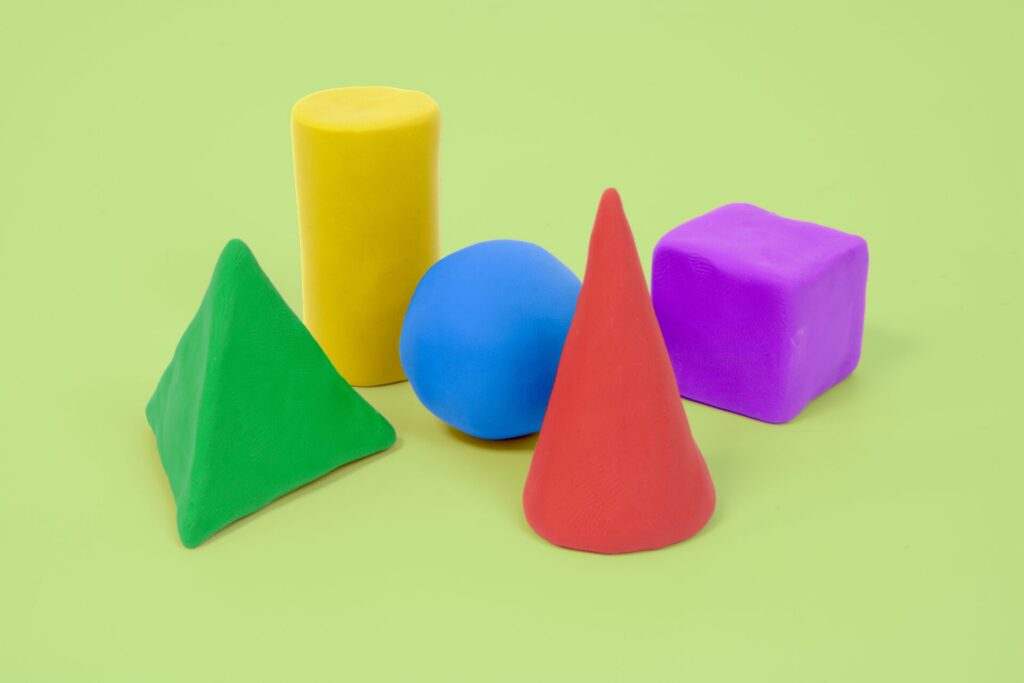
Modelling clay makes it easy to construct 3D geometric forms and introduce students to cubes, cones, pyramids and spheres. Students can roll, press and pinch the clay to gain a tactile understanding of shapes, faces, edges and vertices. Don’t be a square (be a cube!) and try this activity with your students today!
Pizza fractions
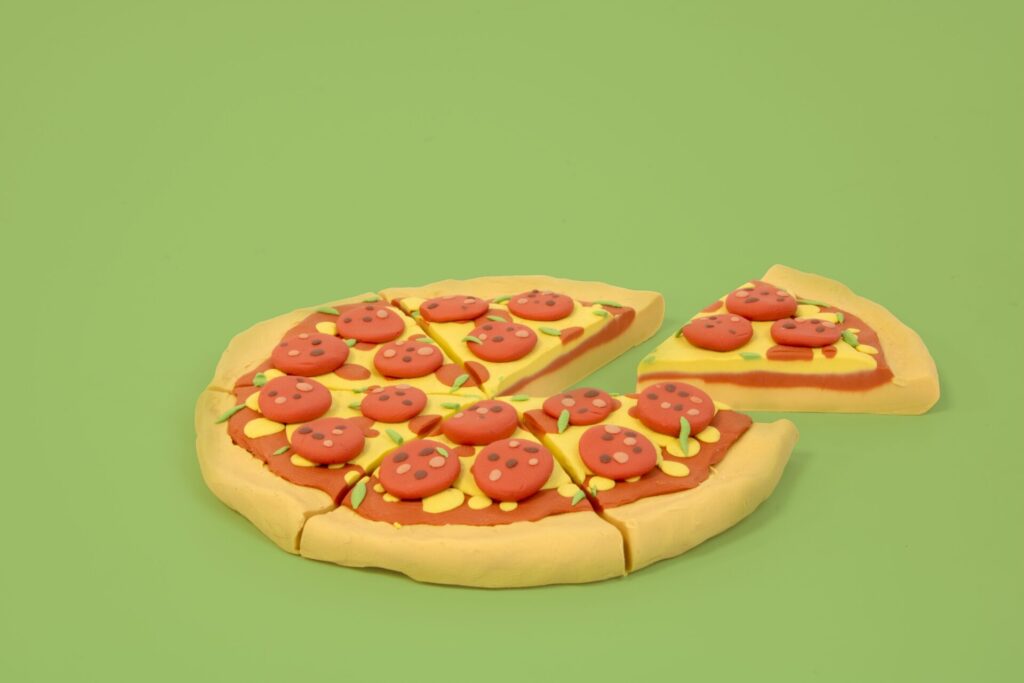
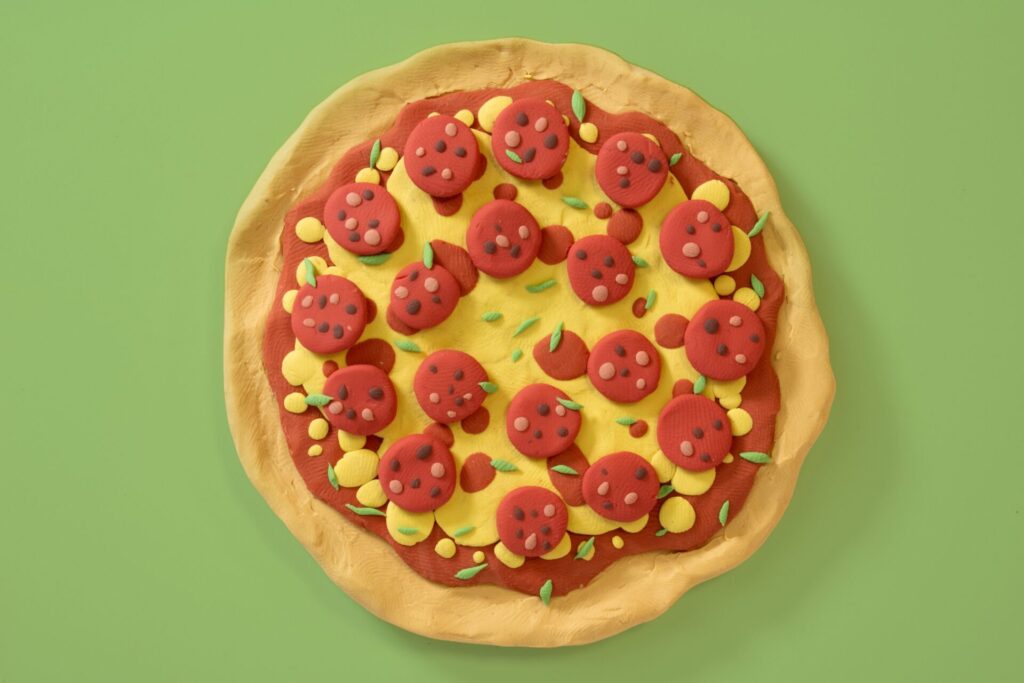
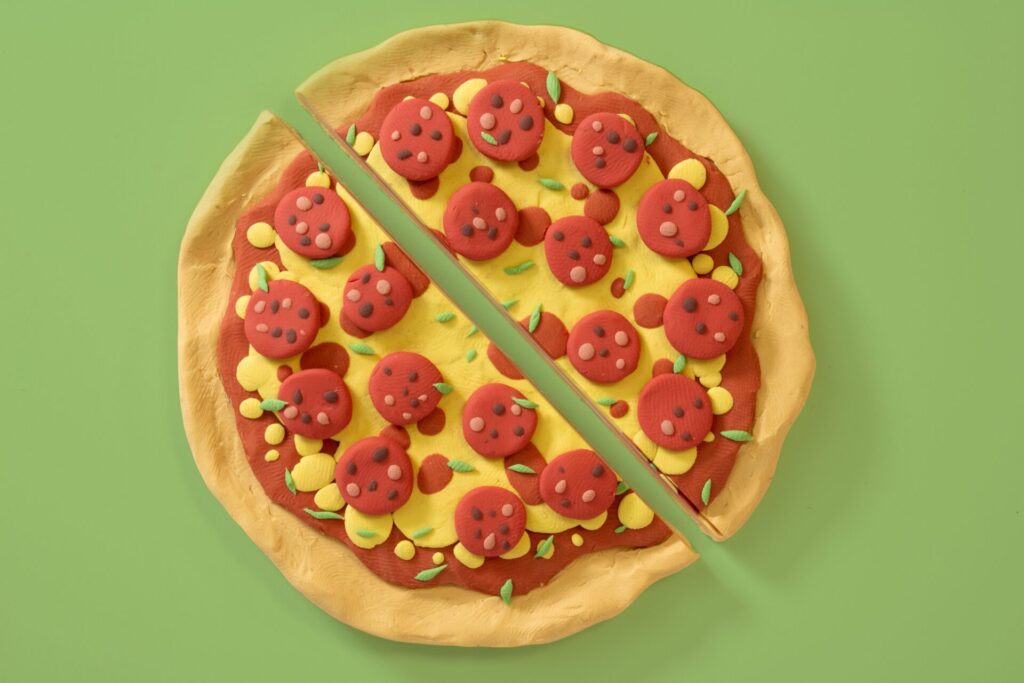
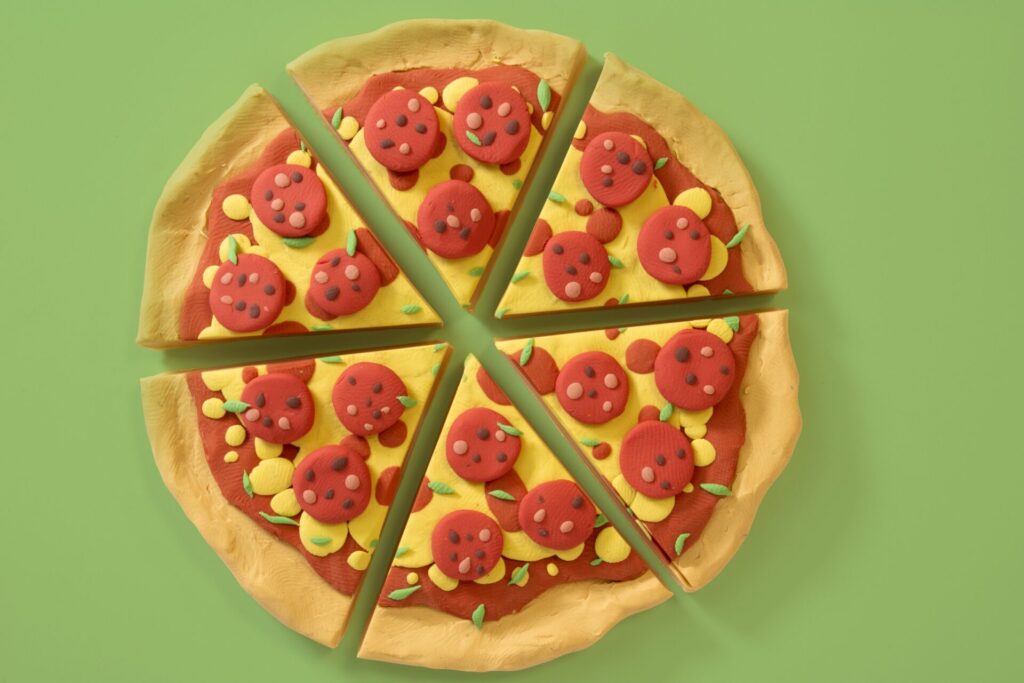
Mamma Mia! Your students will want a slice of the mathematical action with this delicious idea! Instead of using cardboard or paper models, students can create clay pizzas and divide them to show halves, fourths, fifths and beyond. It’s a dough-lightful way to visualise equivalent fractions and make maths more engaging.
Creating patterns
Students can use clay to make repeating patterns with different colours and shapes to learn about symmetry or sequences. This hands-on activity provides a solid foundation for mathematical thinking without kneading to press the issue too much!
Toothpick structures
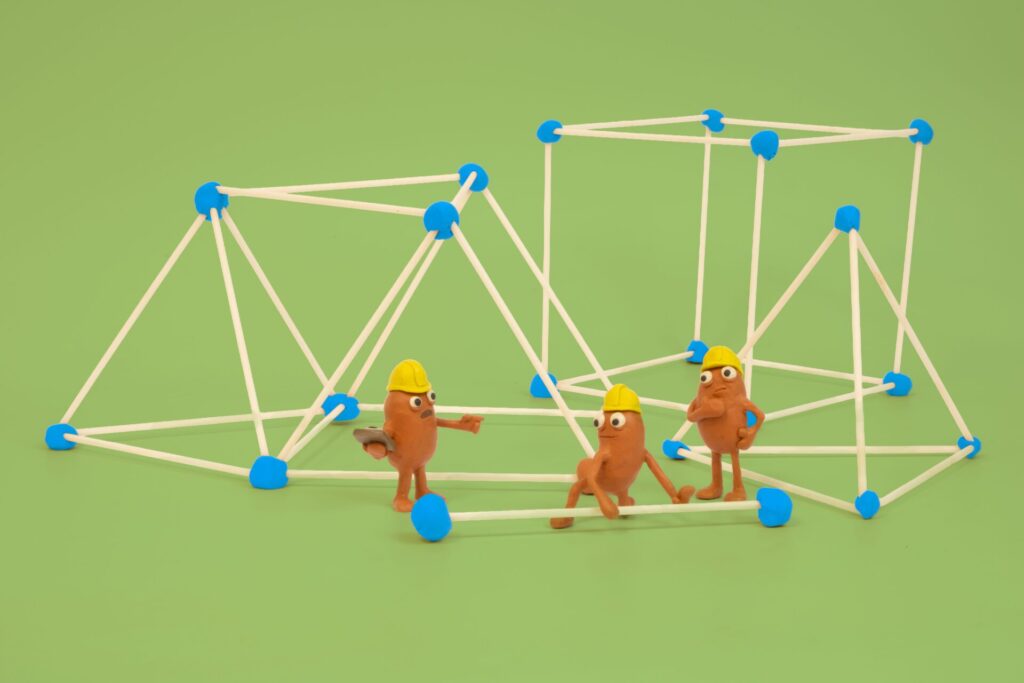
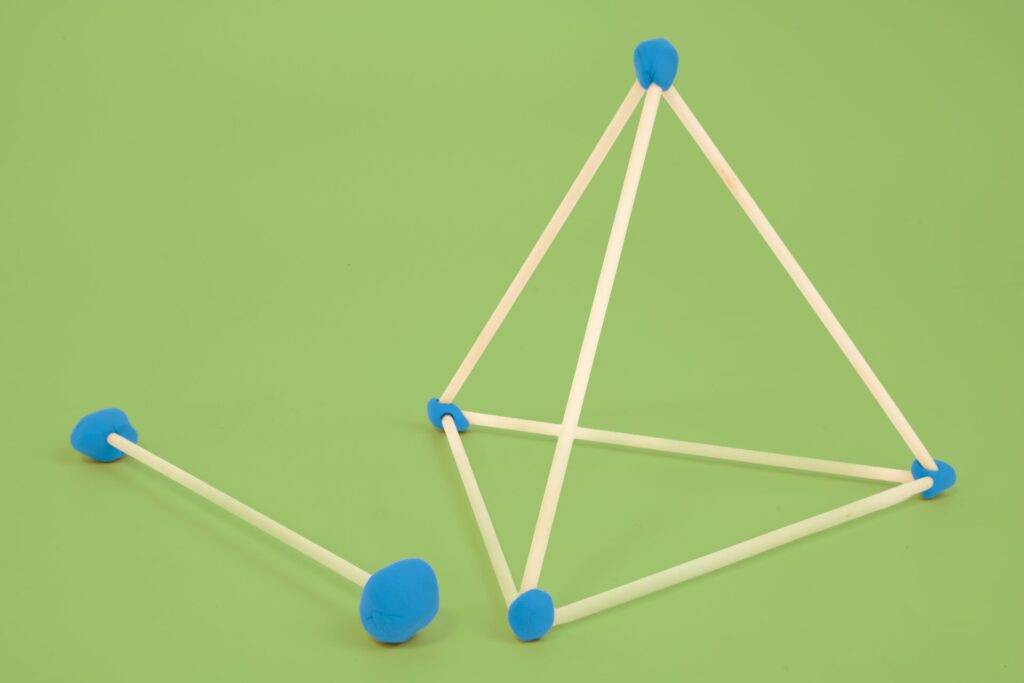
Combining clay with toothpicks enables students to build stable structures and explore engineering principles such as balance, support and weight distribution. Why not hold a competition with your students to see who can make the tallest tower or sturdiest structure?
Clay boat building challenge
See Archimedes’ Principle in action and learn about buoyant force, material density and water displacement with this fun, yet challenging, clay boat building activity. The only downside of this project will be your students’ loud screams of “Eureka!” echoing down the school corridors.
Volcano experiment
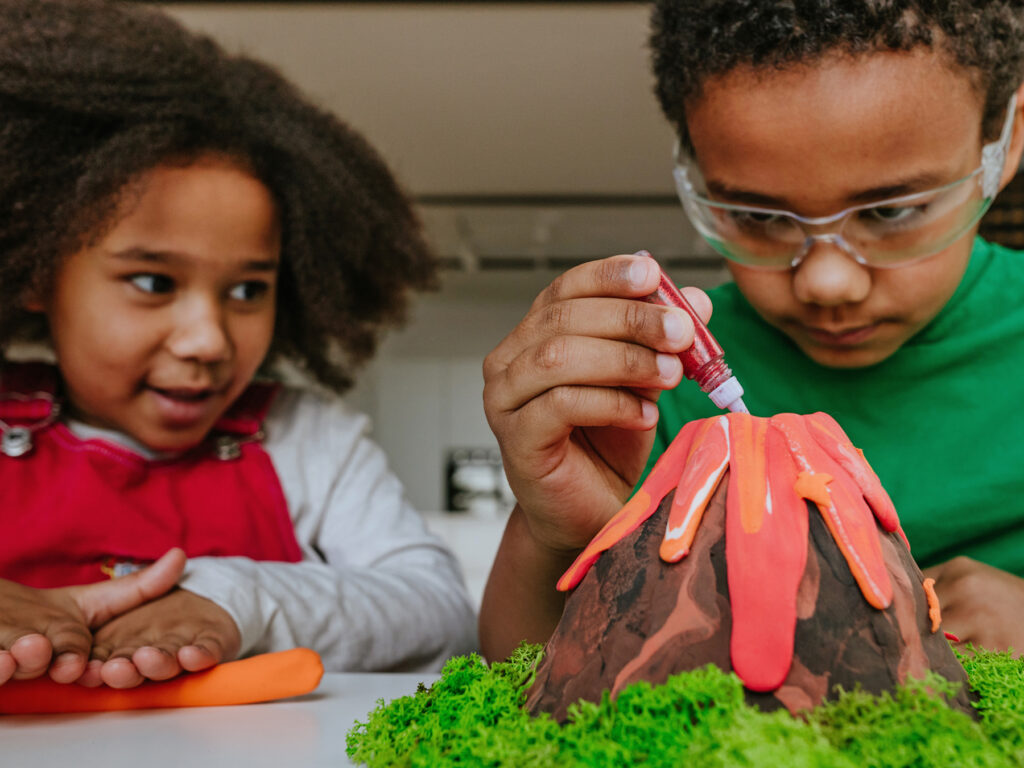
Your students will have a blast while making this lava-ly science experiment. With modelling clay and a few readily-available household items such as dish soap, food colouring and citric acid, your students can make their very own volcanic eruptions! If you’d like to try this experiment in the classroom, the boffins at MEL Science have got you covered (but thankfully not in ash).
Landforms and terrain mapping
Get ready to rock your geography class! Mould mountains, valleys, rivers and plateaus out of clay to create landforms and bring geography to life through hands-on learning. For some real-world inspiration, check out how teachers at Fontenebro International School in Madrid used modelling clay to create detailed terrain maps of the continents. See their fantastic project here.
Recreate famous sculptures
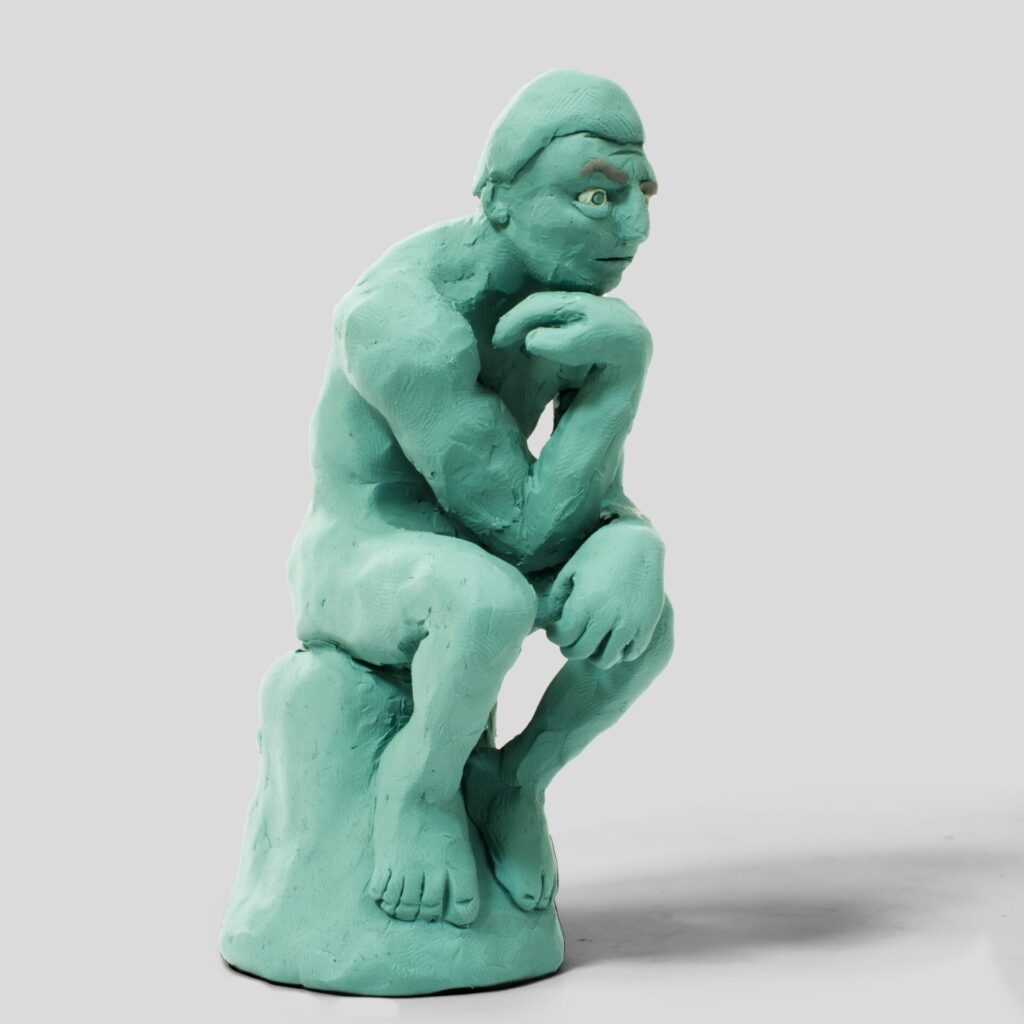
Challenge the budding Barbara Hepworth’s and mini Michelangelo’s in your class to create museum-worthy masterpieces! The firm consistency of HUE Clay is ideal for creating models with high levels of detail so you can make your own Venus Dough Milo or Doughnátello’s David.
Print making
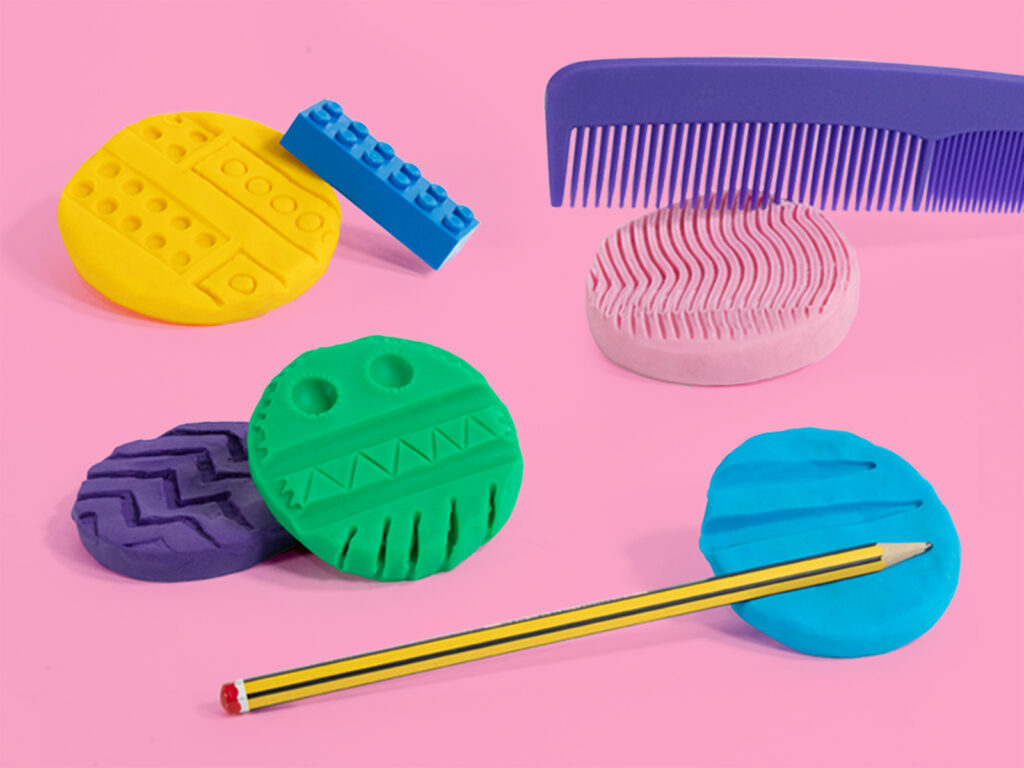
Using some clay, ink and a printing roller, students can carve, stamp and press their own unique designs into a slab before transferring them onto paper. This fun activity is suitable for pupils with SEND (Special Educational Needs and Disabilities) and it is guaranteed to make a lasting impression. For more information about this activity idea, see how teachers played with plasticine to make prints in the Education Room at the Fitzwilliam Museum, Cambridge.
Product design
Clay is the perfect hands-on introduction to design thinking, allowing students to prototype inventions and test out ideas before recreating them with fabrics, wood, or other resistant materials. This mouldable medium isn’t just for the classroom, clay modelling plays a key role in real-world industrial design, from concept cars to cutting-edge boat manufacturing.
Want to see how the pros do it? Check out why major car companies still rely on clay models, even in the digital age.
Hold history in your hands
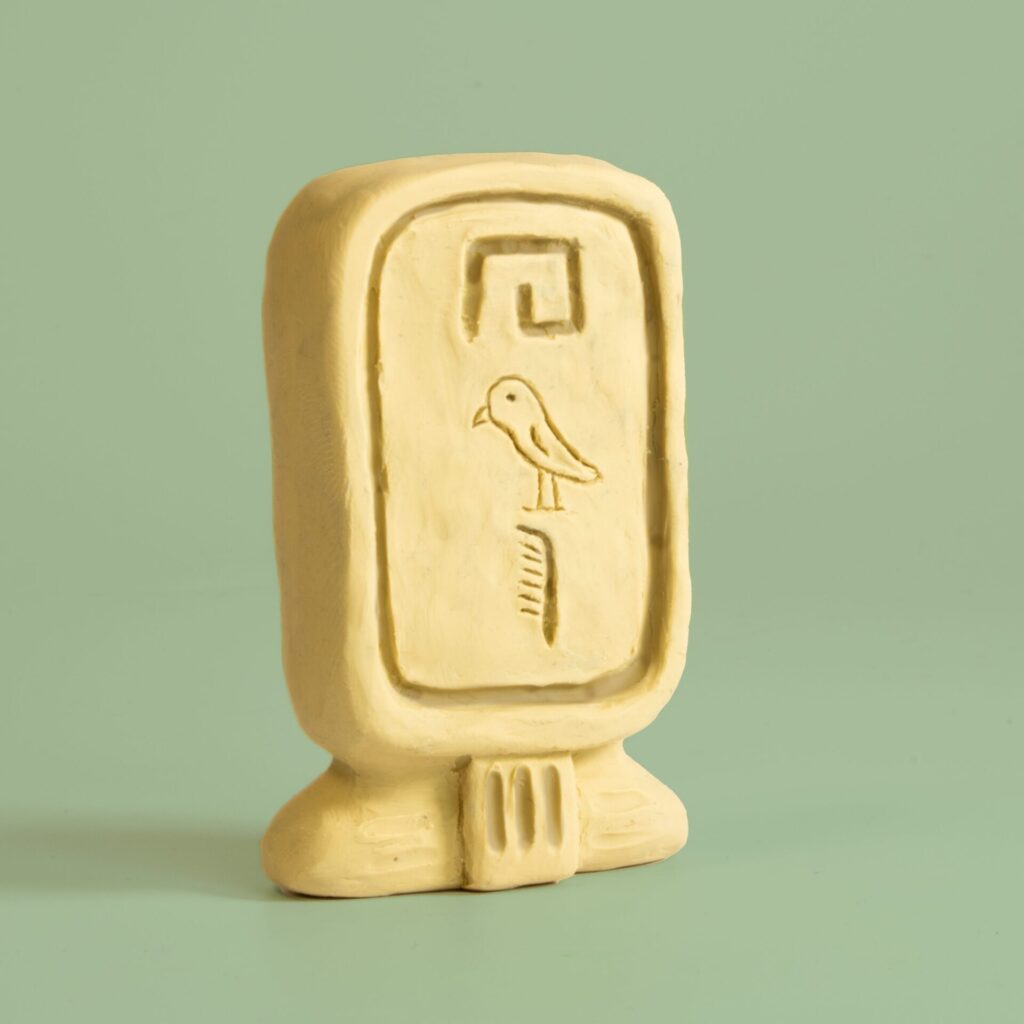
Modelling clay can be used to create historical artefacts from different time periods and cultures. You could uncover the mysteries of ancient Egypt by making clay cartouches, pyramids, sarcophaguses, amulets or even Clayopatra’s Bust!
Stop motion animation
One of the most exciting applications of clay in the classroom is stop motion animation. Students can create their own claymation characters and bring them to life with an animation kit such as HUE Animation Studio. This activity combines storytelling, art and technology in a fun and educational way.
Need some inspiration? We love this wonderful claymation movie created by Alberto, Carlos, Juan Manuel, and Francisco, from the second-grade (Year 2) class at Laurel de la Reina High School in La Zubia, for their French class. In it, they explain step-by-step how to make an authentic French crepe.
As you can see, clay isn’t just for the art room; it’s a shape-shifting superstar that can bring learning to life right across the curriculum. From deepening conceptual understanding in maths and science to inspiring creativity in history, geography and design, modelling clay turns abstract ideas into meaningful, hands-on experiences.
Ready to get started? Explore HUE Clay and discover how a simple, reusable resource can spark curiosity, strengthen understanding and boost engagement in every subject. And when creativity strikes, capture and share your students’ work with your trusty HUE HD Pro document camera.
Do you have any clay-tastic classroom ideas? We’d love to hear them in the comments below!

Find out more, subscribe to our blog, download resources, contact us or follow us on social media.